
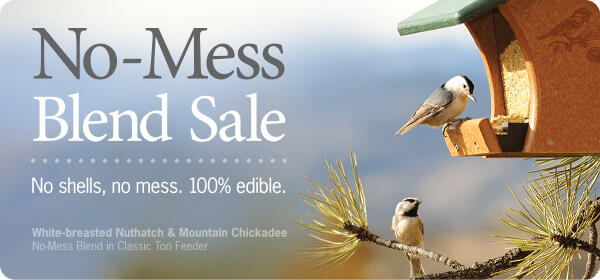
Save on No-Mess Blend for a Limited Time
Our exclusive No-Mess Blend is a tidy feeding solution that is perfect for attracting a wide variety of birds. It features seeds that have had their shells removed so only the meat of the seed is left. No hulls on the seeds makes for tidier feeding. Pound for pound, our No-Mess Blend offers the best value because you don't pay for uneaten seed waste. The birds eat everything.
15% OFF No-Mess Blend*
Daily Savings Club Members: Remember, you save 5% off sale prices.
Promo Code: NOMESS15
*Valid in-store at the participating store(s) listed or by shopping online. One discount per purchase. Offer not valid on previous purchases or sale items. Offer valid thru 10/27/2026 or while supplies last.
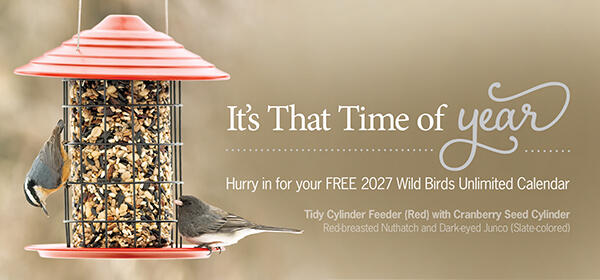

Hurry in for your FREE 2027 Wild Birds Unlimited Calendar
Enjoy a fresh dose of birds every month of the year with the 2027 Wild Birds Unlimited Calendar. Featuring beautiful photos of North American birds, it's our way of saying thanks for being a Daily Savings Club® member.
Stop by the store to pick up your FREE calendar while supplies last. While you're here, discover the best foods and feeders to keep your backyard birds happy all season long. Hurry in!
FREE 2027 WBU Calendar - No Purchase Necessary*
*For DSC members only. Valid in-store only at the participating store(s) listed. One per member. While supplies last. Offer ends when 2027 calendars are gone.

As a member of our Daily Savings Club®, for your annual membership fee, you receive these benefits*:
15% OFF regular bird food prices
$10 Bird Buck for every $200 you spend
5% OFF the sale prices of bird food
Member-only specials
Stop in today and join the Club!
*Membership is valid only at your local WBU Home Store where the membership is purchased.
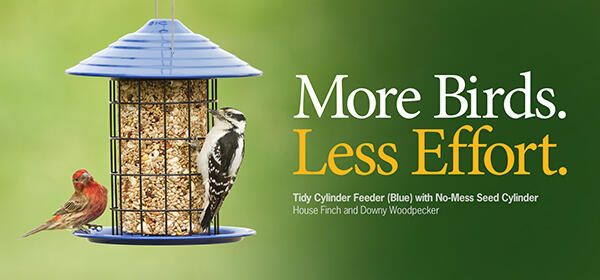
Offer seed cylinders, the easiest way to feed more birds.
As the days grow cooler and evenings arrive earlier, it can be tempting to skip filling your bird feeders. But this is when a reliable food source from your feeders becomes especially helpful for birds.
Our wide variety of WBU Seed Cylinders makes feeding birds easy. Packed with tightly compressed, high-quality ingredients, they last longer and provide birds with a dependable source of energy to power through longer hours of darkness. Seed cylinders keep birds at the feeder longer, giving you more time to watch and enjoy.
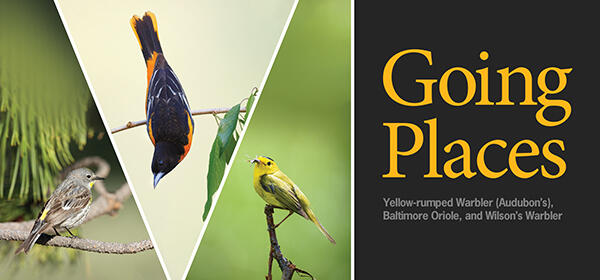
Birds pictured are representative of the many North American species that migrate. Ask us which birds are migrating through our area
Help Migrating Birds on Their Journey
Fall migration turns your backyard into a potential pit stop for birds on the move, and a few smart tweaks can make it irresistible. As nesting season wraps up, birds shift from raising families to finding food and safety for the months ahead.
Many begin traveling in flocks, teaming up with their own species or joining mixed groups that forage together, share alarm calls and learn new ways to find food. Your yard can become part of that daily route.
A slightly messy, more natural landscape is a big win in fall. Leave seed-producing plants standing, add a brush pile or two, and create low-lying feeding areas where ground-feeding birds feel comfortable. Feeders placed closer to the ground, especially those offering millet-rich blends, attract sparrows, juncos and finches that prefer to forage low. These natural elements give birds places to hide, rest and socialize between meals.
Fall is also prime time to refresh your feeding setup. Clean and repair feeders, and make sure they are easy to refill during the winter months. Keep food fresh and consistent, even in small amounts, so passing birds remember your yard as a reliable stop. When colder weather hits, they’ll come back looking for what they know. High-energy foods like quality seed blends, Bark Butter® and mealworms are especially helpful during migration, when birds need extra fuel.
Finally, don’t underestimate water. A moving water source is one of the strongest bird magnets there is. The sound alone can pull migrating birds down to investigate, giving them a place to drink, bathe and maintain their feathers for flight.
Visit Wild Birds Unlimited to learn how small seasonal changes can make a big difference for migrating birds.
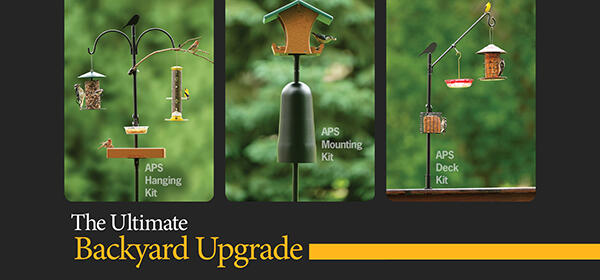
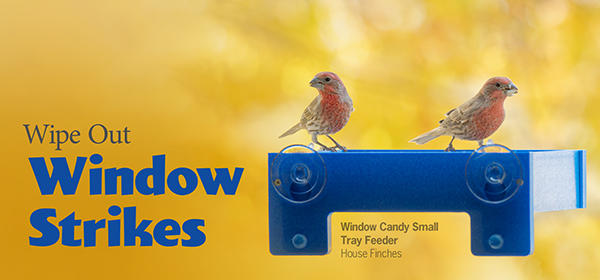
Prevent Window Strikes and Help Save the Song Birds
Here’s a harsh truth: colliding with windows can be fatal for birds. Even if they manage to fly away, they're not just “stunned,” birds are often seriously injured. Windows reflecting sky or greenery trick birds into thinking there’s a clear flight path, and juvenile birds (who are just figuring things out) are especially at risk.
Preventing window strikes is one way you can help Save the Song Birds. With a few thoughtful adjustments, you can help birds recognize your windows as barriers, not passage ways.
- Feeder Placement: Place bird feeding stations within three feet (1 meter) of the window or beyond ten feet (3 meters). Within three feet, birds ‘fleeing’ the feeder area will not have built up enough speed to injure themselves if they strike the window. Beyond ten feet, birds will have enough time to spot and avoid the window.
- Visual Cues: Apply deterrents to your windows (such as screens or decals) to help birds see the barrier and give them a chance to take action before any harm is done.
- Install a Window Feeder: Use a window feeder to make birds more aware of the glass and so you have a front-row seat to watch your feathered visitors.
Go here to learn more, or stop by the store and we’ll walk you through the best ways to wipe out window strikes.
Go here to purchase window decals online
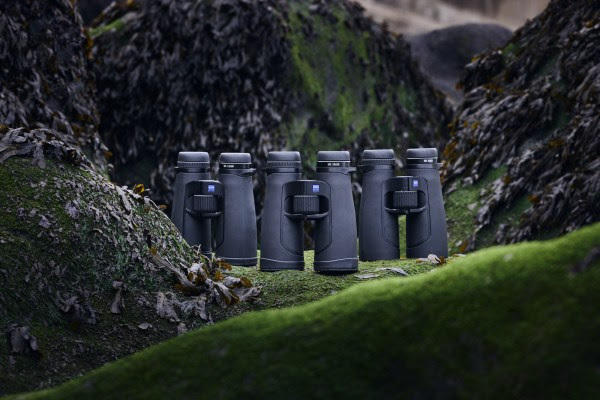
Wild Birds Unlimited in Winchester is your source for high quality Zeis Optics. With exceptional optical performance, these are perfect for bird watchers and all nature lovers.
Check out our range of optics here
OCTOBER NATURE HAPPENING
• Mid-October brings the greatest variety of migrating raptors. Golden Eagles, Peregrine Falcons and Merlin’s can be sighted. Broad-winged Hawks are gone by end of the month.
•Sharp-shinned Hawk population increases dramatically from northern migration. Look for them along road sides and hanging out at your bird feeders.
• Most Wood Ducks begin to migrate south this month, but a few stay to over winter in Eastern part of the state.
• Green-winged Teals and Pied-billed Grebes are migrating south, look for them at Abrams Creek, Lake Frederick, and farm ponds.
• Last of the Chimney Swifts will leave at the beginning of the month.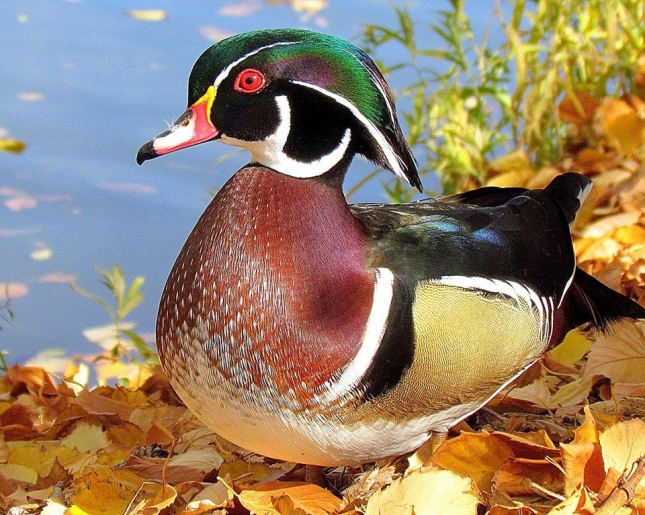
• Merlin, a pigeon-sized falcon from Canada, is migrating through the area headed south. Merlin’s will be found scanning open areas from treetops. Look for them at Blandy Farm, Abrams Creek Wetlands, and Lake Frederick
.• Purple finches arrive and will be attracted to finch feeders.
• Fox Sparrows, Lincoln Sparrows and American Tree Sparrows may be seen under feeders scratching through litter during their autumn migration.
• Blue-headed Vireos are traveling through to their wintering grounds. Look for them in coniferous habitats foraging for insects. Wood Duck
• Orange-crowned, Tennessee, and Black and White Warblers are migrating to their wintering grounds, look for them in deciduous forests gleaning for insects.
• Lapland Longspur, a common arctic tundra bird is sometimes found wintering in pastures and open grasslands foraging for insects and seeds.
• Ruby-throated Hummingbirds, House wrens, Catbirds and Tree swallows have departed by the end of the month.
• Juncos, White-crowned and White-throated Sparrows become common under the feeders towards the end of the month, migrating from their northern breeding habitats.
• Look for Rufous Hummingbirds to arrive in Maryland and Virginia, keep your feeders up through December!
• This is the month to install and repair nest boxes for use next year. This is a very good time to clean out Purple Martin houses.
• Keep nesting boxes up for cavity-dwelling birds to roost during the upcoming colder nights and inclement weather.
• Goldenrods, Asters, Bonesets and Blazing Stars are in bloom.
• White-tailed Deer bucks go into rut and are moving, keep a watchful eye along the highways.
• Squirrels are working at an insane level right now caching acorns and other tree nuts for theupcoming winter.
• Groundhogs are feeding profusely in preparation for hibernation.
• Virginia bats are either migrating south for the winter or seeking shelter in surrounding caves to hibernate.
• Cankerworms are emerging from their cocoons as adult moths eager to mate. Females will lay clusters of barrel-shaped eggs on branches, which will hatch in the spring.
• Spider webs are EVERYWHERE. Female spiders are preparing to lay eggs which will hatch in the springtime. Don’t destroy their webs as they are a natural insect removal system catching and eliminating vast amounts of insects including the stinkbug! Want an educational book for the children? E.B.Whites book Charlotte’s Web was release 68 years ago this month.
• Live in the mountains? Rattlesnakes are slithering together to form communal hibernation knots in rock outcroppings and borrows to escape the cold winter.
• Beavers are very active in the evenings while caching a winter supply of food.